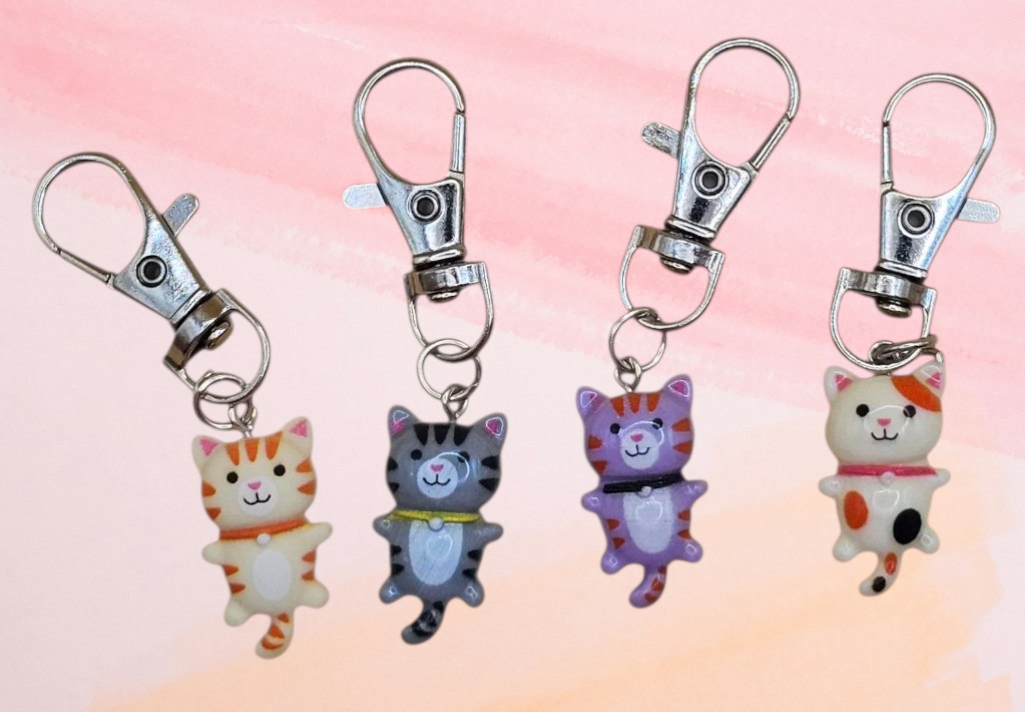
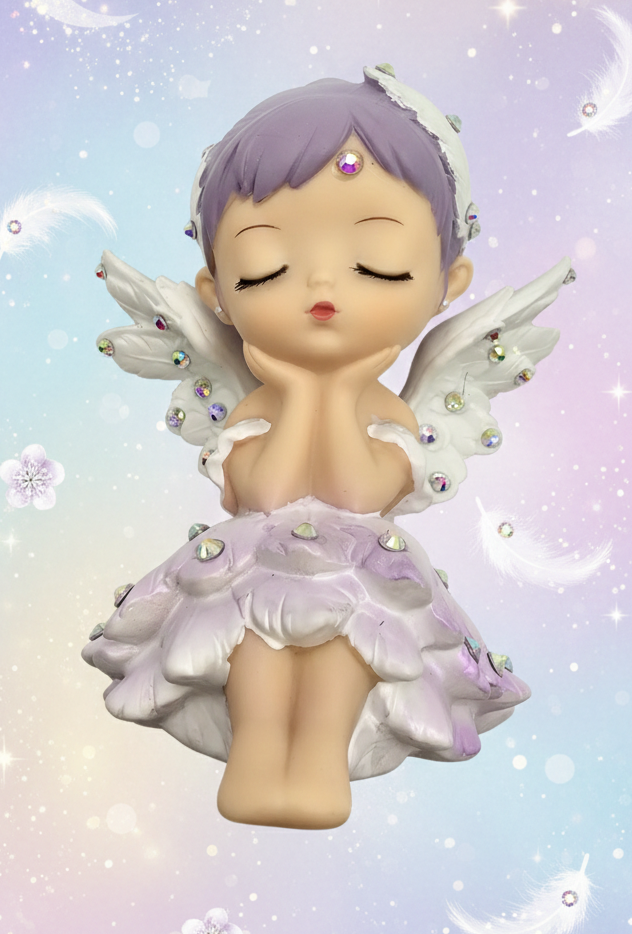
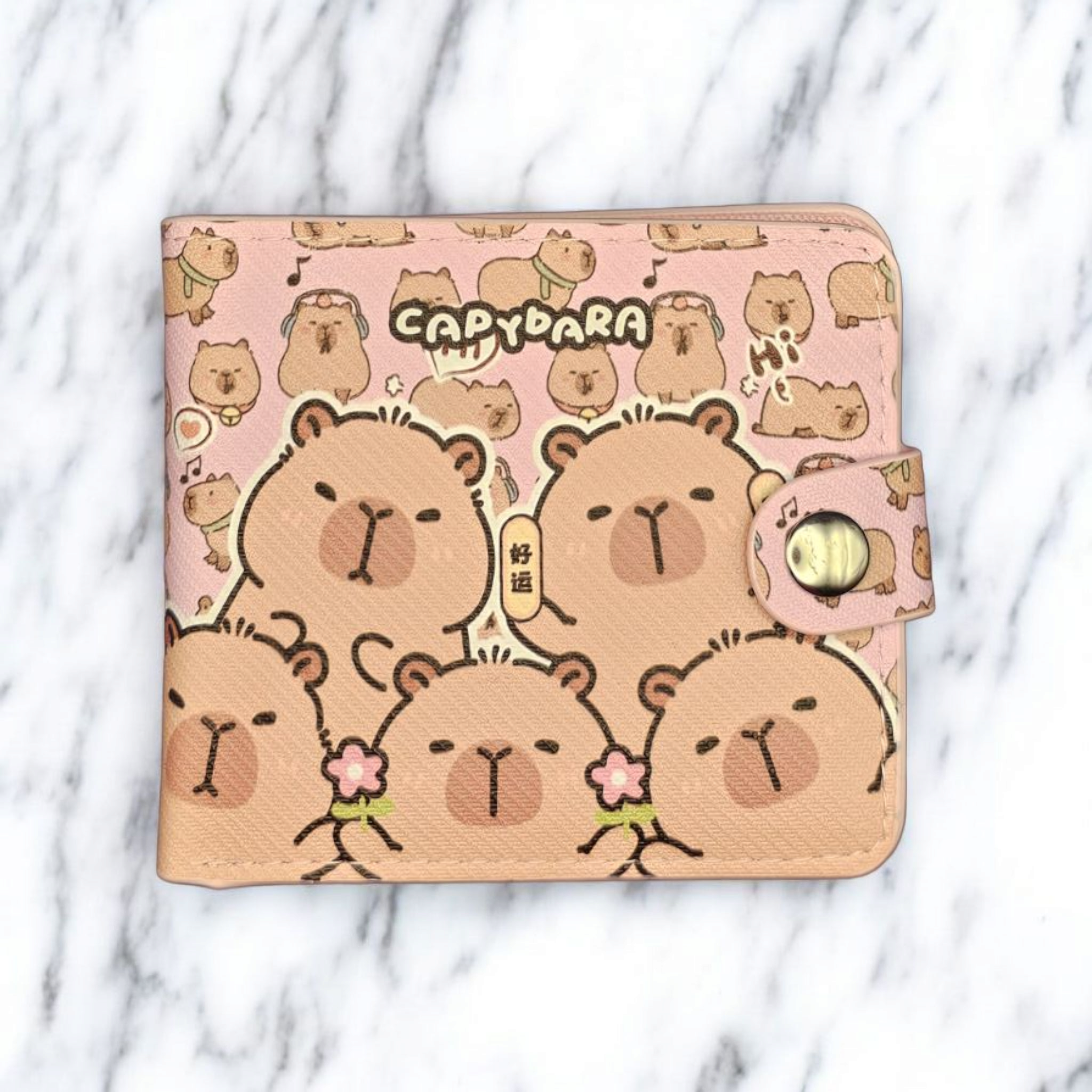
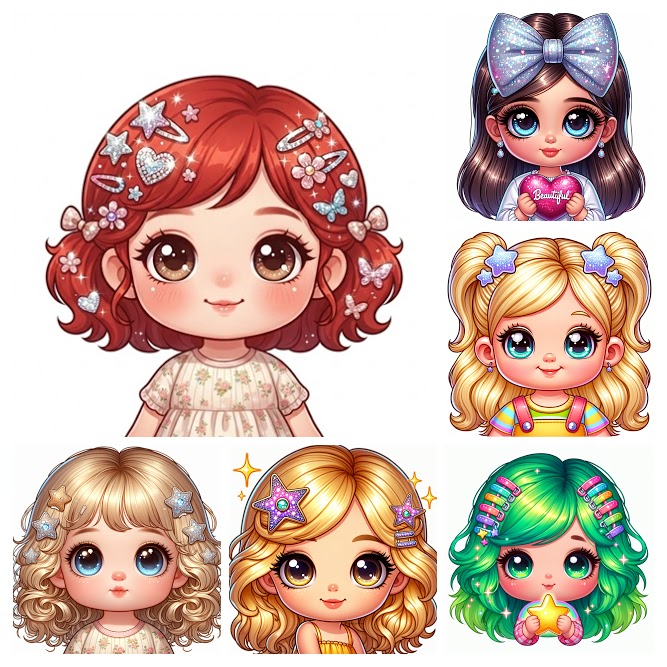

If you have ever flipped through a manga, watched anime, or browsed cute stationery shops, you have definitely crossed paths with chibi art.
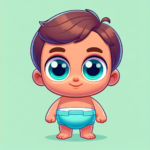
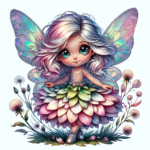
The word chibi is a Japanese slang term that translates to “small” or “short.” In the art and design world, it refers to a super-deformed, ultra-cute style where characters are drawn with exaggeratedly large heads, big sparkly eyes, and tiny, compact bodies. Artists use this style to dial up the cuteness factor, capturing big emotions, playful energy, and tons of personality in a miniature, adorable form.
Chibi art traces its roots back to Japanese manga and anime culture, where the word chibi originally stems from slang meaning a tiny person or short thing. Artists first popularized the style as a visual comedic device—instantly switching characters into exaggerated, compact proportions during moments of intense emotion, surprise, or silliness.
Key Features of the Chibi Style
- Exaggerated Proportions: Characters are typically drawn with a head-to-body ratio of around 1:1 or 1:2, meaning the head takes up half or more of the entire character’s height.
- Expressive Features: Faces feature oversized, sparkling eyes that convey big emotions, often accompanied by minimal noses and simple mouths.
- Simplified Limbs: Arms and legs are usually drawn as short, stubby segments without complex joint details, adding to the soft, doll-like aesthetic.
Why Chibi is So Popular in Stationery
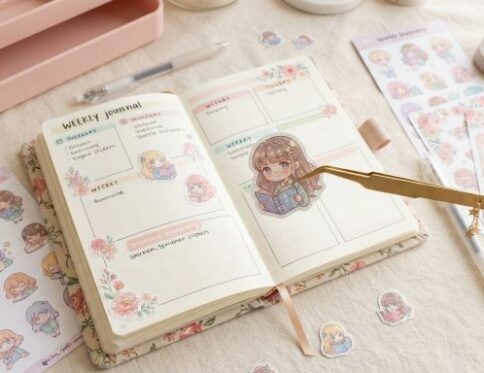
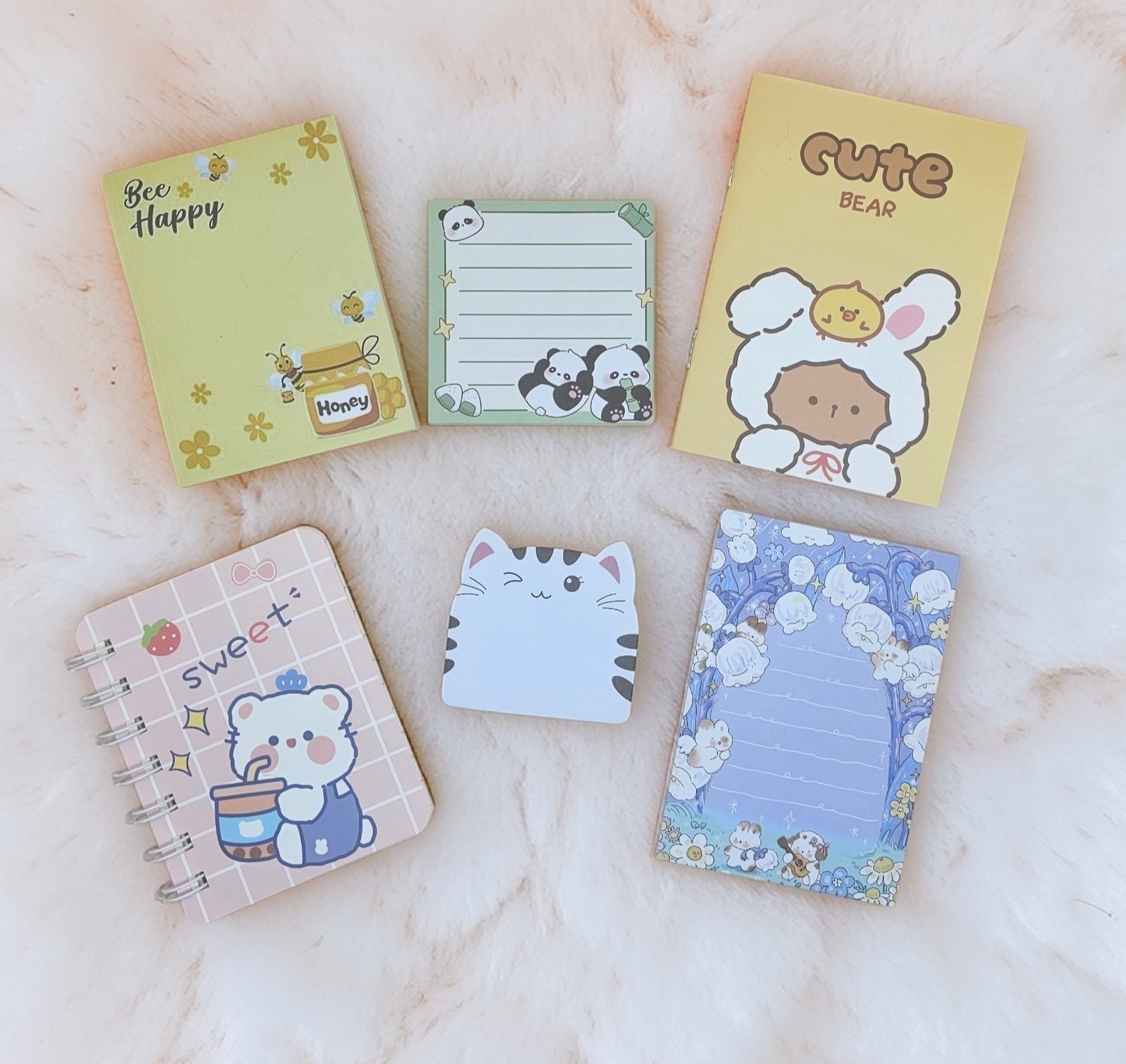
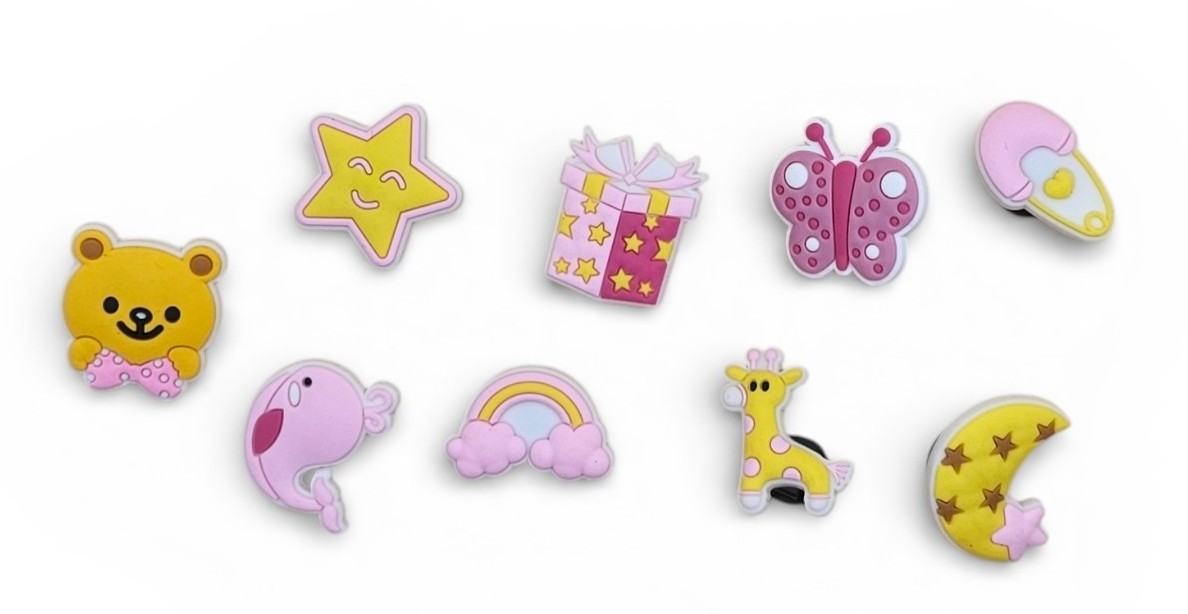
The ultra-cute, playful nature of chibi characters makes them a massive favourite in the global kawaii community. Because they pack so much personality and emotion into a tiny design, they translate wonderfully onto physical crafts. They are especially beloved for decorating sticker sheets, journaling spreads, and planner layouts, bringing an instant spark of joy and whimsy to everyday organisation.